
Why Portugal's Possession Machine Struggled Against Congo's Defensive Jungle
A tactical battle between patient ball control and relentless physical resistance.
Match Overview: When Possession Meets Resistance
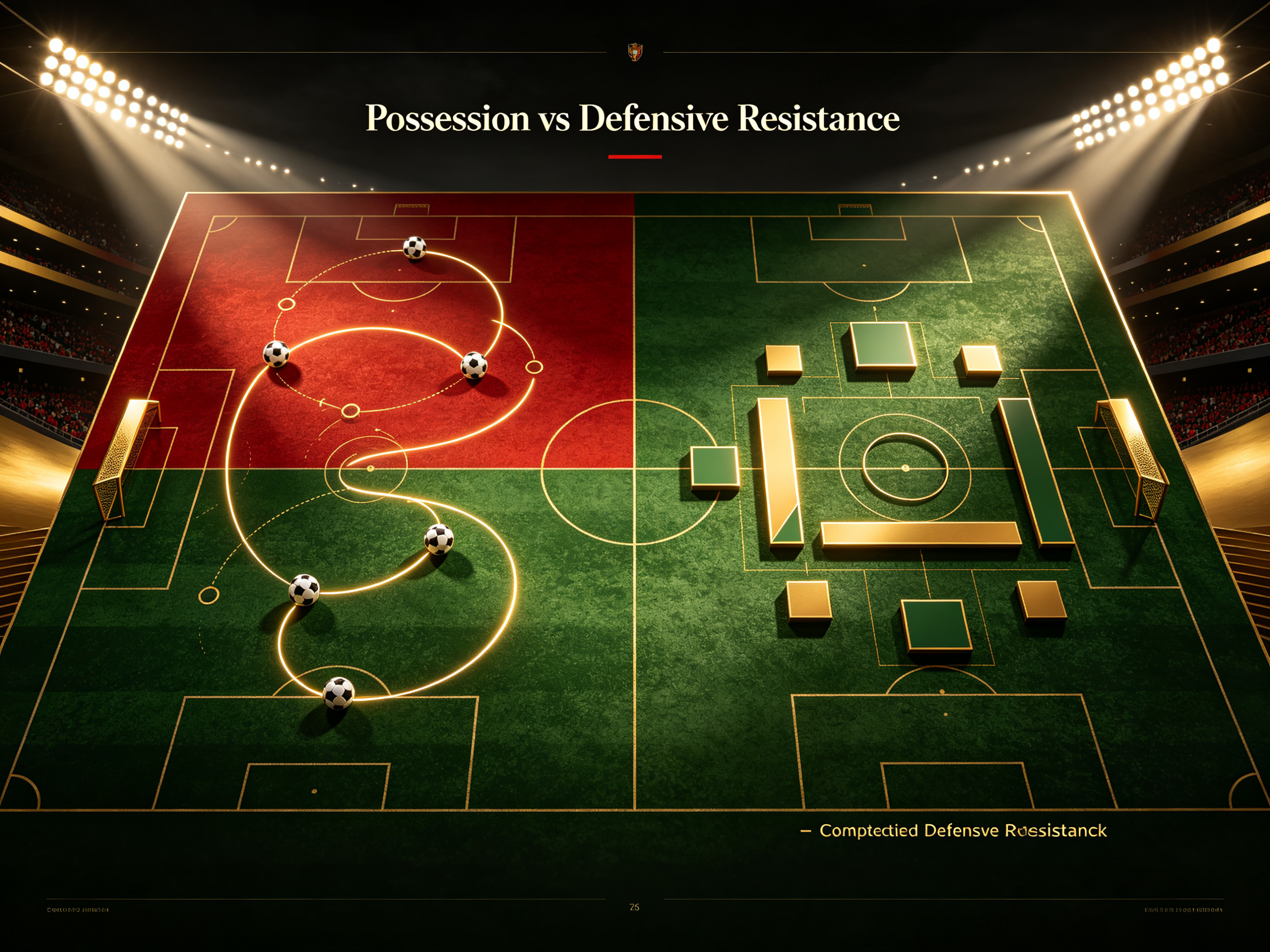
Portugal entered the match determined to impose their trademark possession-based football, expecting long periods of control and territorial dominance. However, Congo presented a completely different challenge. Instead of pressing aggressively, they constructed an incredibly compact defensive block that transformed central areas into a congested battlefield.
This Portugal vs Congo tactical analysis demonstrates one of the biggest questions in modern football: how can an elite possession team break down a physically dominant opponent defending with discipline, numbers, and relentless intensity?
Why Portugal Controlled The Ball But Not The Match
Possession statistics often create the illusion of dominance. Portugal circulated the ball efficiently across midfield and defensive zones, but meaningful penetration into dangerous areas remained difficult.
Congo willingly conceded possession while protecting the most valuable spaces between the lines. Every forward pass was immediately contested by multiple defenders, forcing Portugal into repetitive sideways circulation.
As the match progressed, Portugal's possession became increasingly sterile, highlighting the challenge of breaking a low defensive block with physical superiority.
The Tactical Chain Behind Congo's Defensive Success
How Congo Turned Physicality Into A Tactical Weapon
Congo's approach was not simply about strength. Their defensive structure combined athleticism, spatial awareness, and collective discipline. Every aerial challenge, shoulder-to-shoulder duel, and second-ball battle became an opportunity to disrupt Portugal's rhythm.
The defensive line remained compact while midfielders aggressively protected the half-spaces. This prevented Portugal from creating the quick combinations that usually unlock organized defenses.
Key Players In Portugal's Possession System
Bruno Fernandes
Attempted to accelerate attacks through vertical passing and creative movement.
Bernardo Silva
Constantly searched for spaces between defensive lines and overload opportunities.
Vitinha
Controlled tempo and ball circulation from deep midfield positions.
Rafael Leão
Provided direct dribbling threats against compact defensive blocks.
João Neves
Supported possession retention and transitional ball recovery.
Cristiano Ronaldo
Remained a focal point inside the penalty area and aerial situations.
How Congo Neutralized Portugal's Creative Zones
The most impressive aspect of Congo's defensive display was their ability to deny access to central playmakers. Portugal repeatedly attempted combinations through the middle, yet every receiving player was immediately surrounded.
This forced attacks toward the flanks, where crosses became the primary attacking solution. Congo's physical defenders were comfortable defending aerial situations, turning Portugal's attacks into predictable patterns.
The Battle For Second Balls
A critical factor throughout the match was Congo's dominance in second-ball situations. Even when Portugal delivered dangerous crosses or attempted shots from distance, Congo frequently recovered loose balls first.
These recoveries prevented sustained pressure and allowed the defensive structure to remain intact for long periods.
Tactical Lessons From The Match
- Possession alone does not guarantee chance creation.
- Compact defensive blocks remain highly effective against positional play.
- Winning second balls can be as important as controlling possession.
- Physical superiority can disrupt technical dominance.
- Central space protection remains essential in modern football.
- Disciplined defensive structures can frustrate elite attacking teams.
Related National Team Collections
Final Verdict
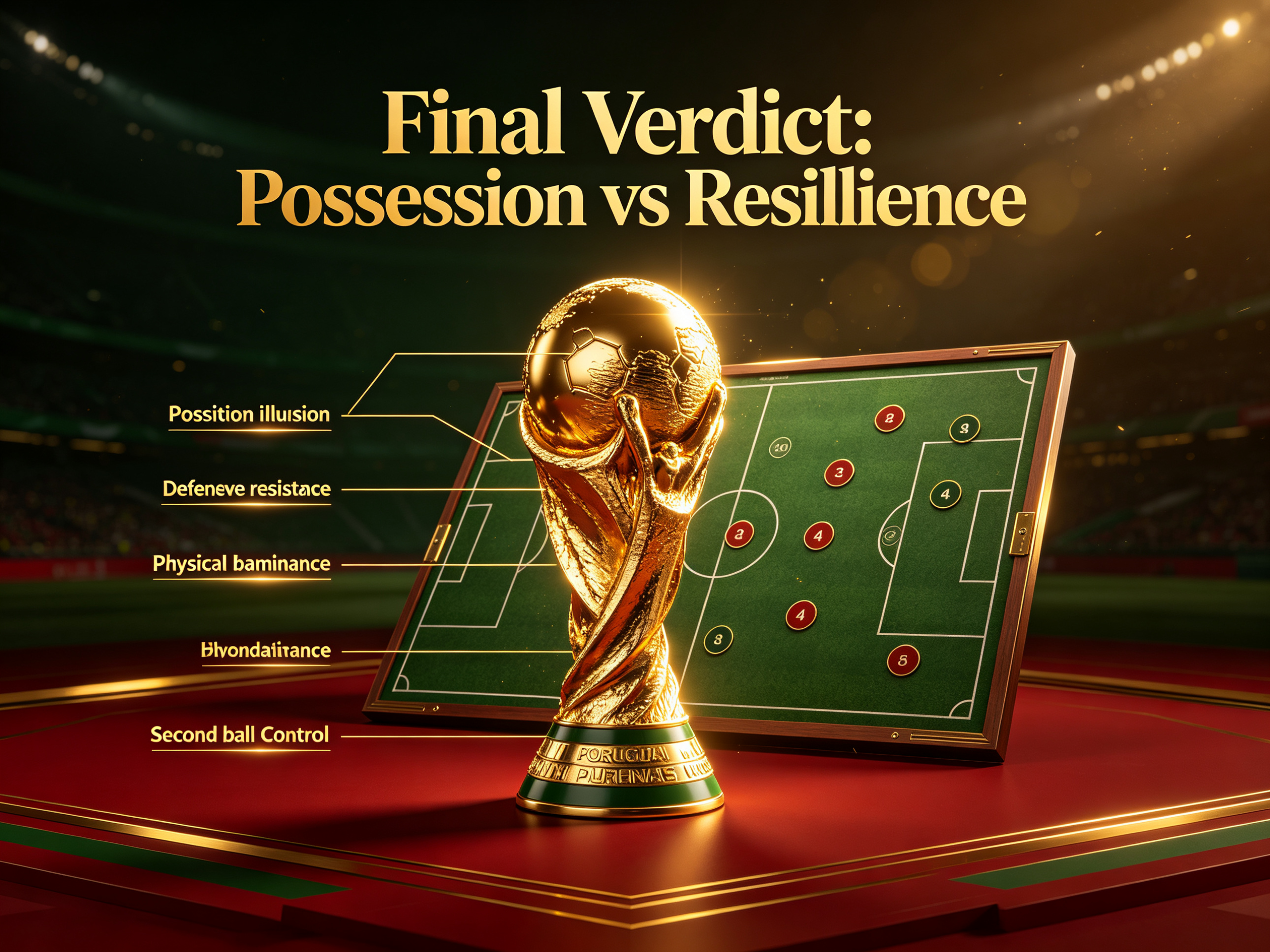
This match perfectly illustrated the timeless tactical battle between possession football and defensive resilience. Portugal controlled territory, possession, and rhythm, but Congo controlled the spaces that mattered most.
By combining physical dominance, compact defensive organization, and relentless commitment to second-ball battles, Congo transformed defensive football into a highly effective competitive weapon.
For coaches, analysts, and football fans alike, this contest offered a fascinating lesson on why breaking down a compact defensive block remains one of the hardest challenges in modern international football.