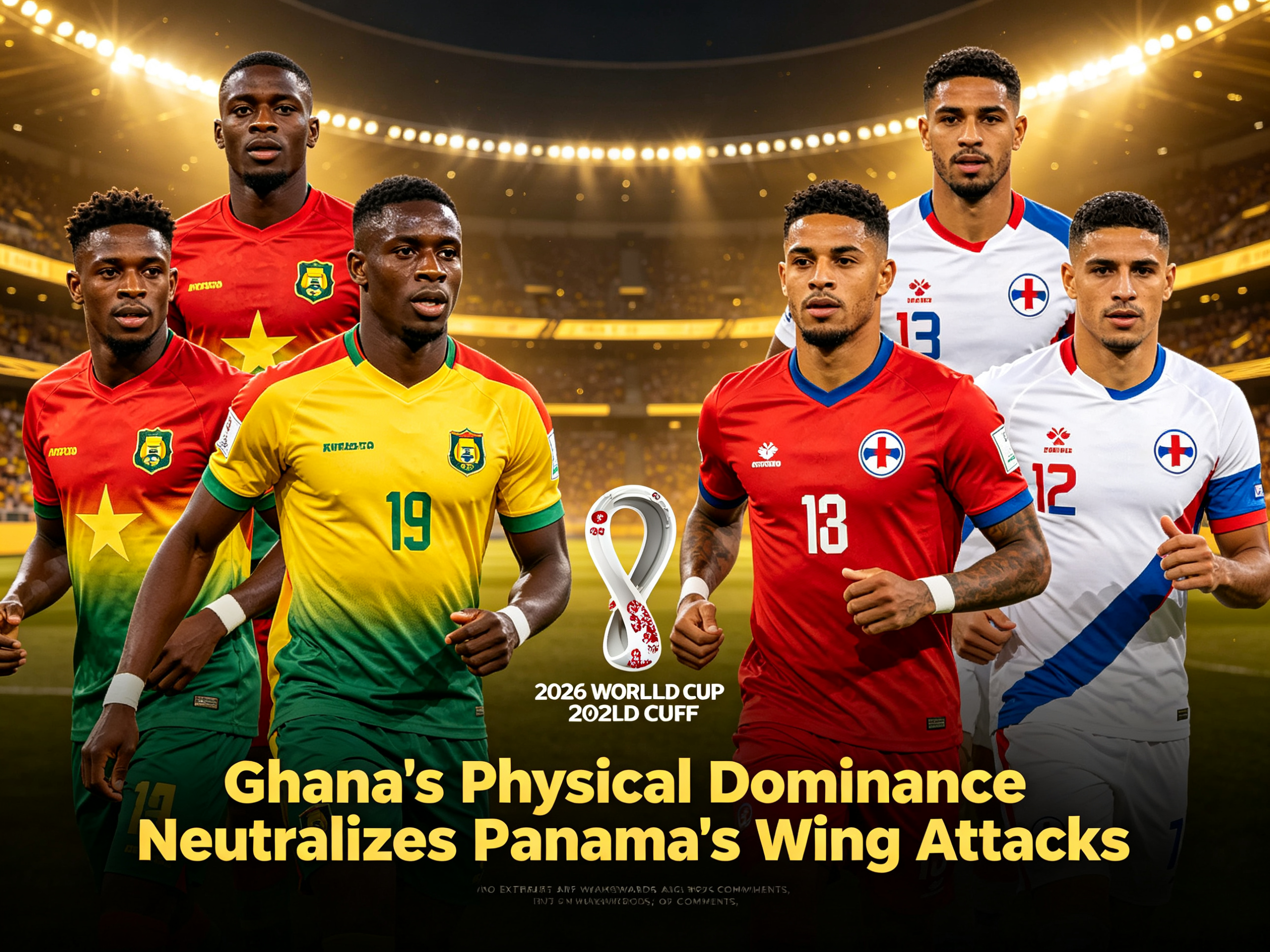
Ghana's Physical Dominance Neutralizes Panama's Wing Attacks
Strength, duels, and relentless defensive pressure turned Panama's greatest weapon into a weakness.
Match Overview: A Battle Defined By Physical Confrontation
The clash between Ghana and Panama became one of the tournament's most intense physical contests. While Panama entered the match relying heavily on pace, width, and aggressive wing attacks, Ghana responded with a defensive strategy built around strength, compactness, and relentless one-on-one battles.
This Ghana vs Panama tactical analysis highlights how superior physicality and defensive discipline can completely disrupt a team that depends on wide areas for chance creation. Throughout the match, Ghana transformed every duel into a test of endurance, forcing Panama into uncomfortable situations across the pitch.
Why Panama's Wing-Based Attack Never Found Rhythm
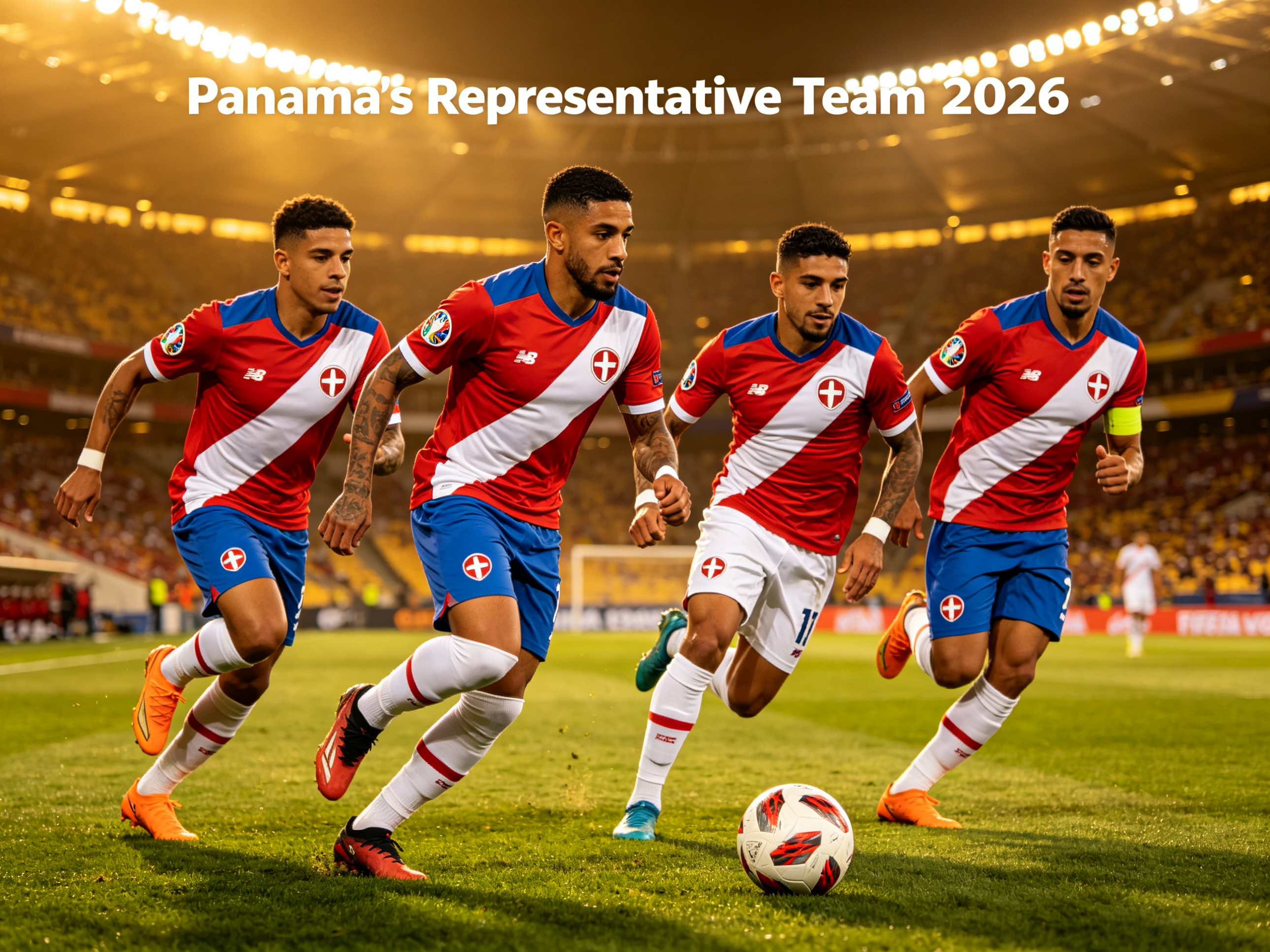
Panama's tactical plan centered on stretching the field and creating isolation situations for their wide players. The objective was simple: attack space behind Ghana's full-backs and deliver dangerous crosses into the penalty area.
However, Ghana's defensive structure denied these opportunities from the beginning. Full-backs received constant support from midfielders, creating numerical superiority near the touchlines and eliminating the space Panama needed to accelerate.
As the game progressed, Panama's attacks became increasingly predictable, allowing Ghana to dictate the physical nature of every confrontation.
The Tactical Chain Behind Ghana's Defensive Success
How Ghana Turned Physicality Into A Tactical Advantage
Ghana's success was not simply about winning tackles. Their entire defensive approach revolved around controlling contact situations. Every aerial challenge, shoulder-to-shoulder duel, and loose-ball battle was contested aggressively.
This constant pressure gradually reduced Panama's confidence in attacking wide areas. Instead of driving forward aggressively, wingers often received possession facing their own goal, limiting their effectiveness.
Key Players Behind Ghana's Defensive Wall
Mohammed Kudus
Combined ball progression with physical resistance during transitions.
Thomas Partey
Controlled central spaces and dominated midfield duels.
Mohammed Salisu
Provided aerial dominance and defensive leadership.
Alexander Djiku
Neutralized crossing opportunities with aggressive defending.
Antoine Semenyo
Added strength and direct running during counterattacks.
Jordan Ayew
Helped maintain pressure and hold-up play in advanced areas.
The Importance Of Winning Second Balls
One of the most overlooked aspects of Ghana's performance was their dominance in second-ball situations. Even when Panama managed to deliver crosses or long passes, Ghana consistently won the follow-up battle.
This prevented Panama from establishing sustained attacking pressure and repeatedly allowed Ghana to reset possession under favorable conditions.
Why Defensive Compactness Matters Against Wing Play
Modern football often emphasizes width and pace, but Ghana demonstrated that compact defensive organization remains one of the most effective ways to counter these strengths.
By reducing the available space around wide areas and aggressively supporting defenders, Ghana eliminated the isolation opportunities Panama desperately needed.
Tactical Lessons From The Match
- Physical superiority can neutralize pace advantages.
- Wide attacks require space to become effective.
- Winning second balls creates defensive stability.
- Compact defensive structures remain highly effective.
- Touchline overloads can shut down wing-oriented systems.
- Collective defending is more important than individual duels.
- Transition control often determines knockout-style matches.
Related National Team Collections
Final Verdict
Ghana's victory was a masterclass in physical football executed with tactical intelligence. Rather than attempting to match Panama's speed, they focused on eliminating the conditions that allowed Panama's wing attacks to flourish.
Through compact defending, dominant physical duels, and relentless second-ball recoveries, Ghana transformed the match into a battle of strength and resilience. In doing so, they demonstrated that well-organized physical football remains one of the most powerful tools in international competition.