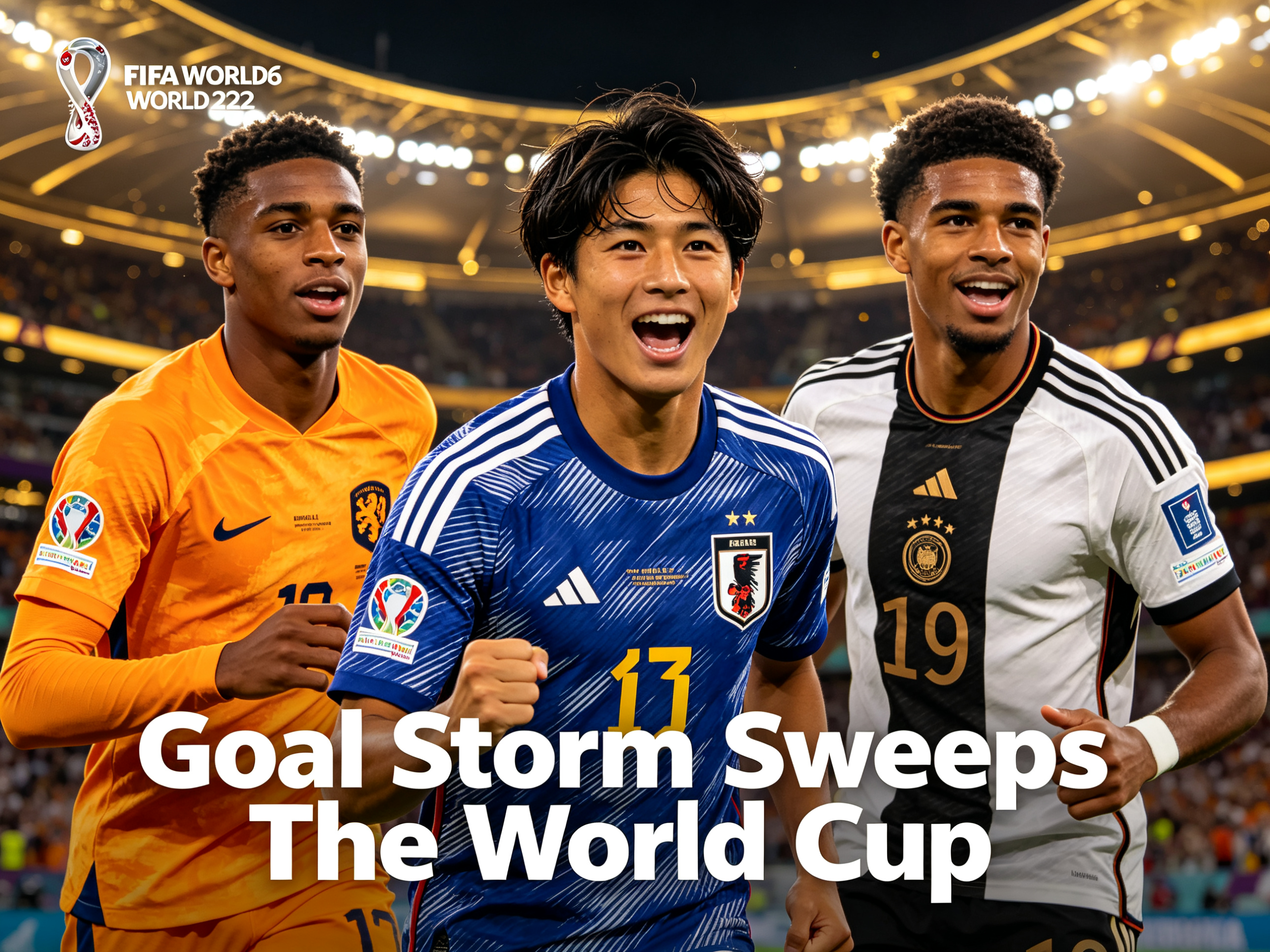
Goal Storm Sweeps The World Cup
Netherlands and Japan shine in attack while Germany survives a major tactical test.
Why Did This Matchday Completely Change The Tournament Narrative?
The latest World Cup round delivered one of the most entertaining attacking displays of the tournament so far. The Netherlands and Japan combined for a flood of goals, showcasing two very different but equally effective offensive systems. Meanwhile, Germany escaped with a hard-fought victory against Côte d'Ivoire, but the performance raised important questions about the team's defensive structure and transition management.
For neutral fans, it was a day filled with tactical contrasts. High-pressing attacks, positional rotations, rapid passing combinations, and dangerous counterattacks all combined to create a fascinating football spectacle.
The Netherlands' New Offensive Partnership: Brobbey And Gakpo
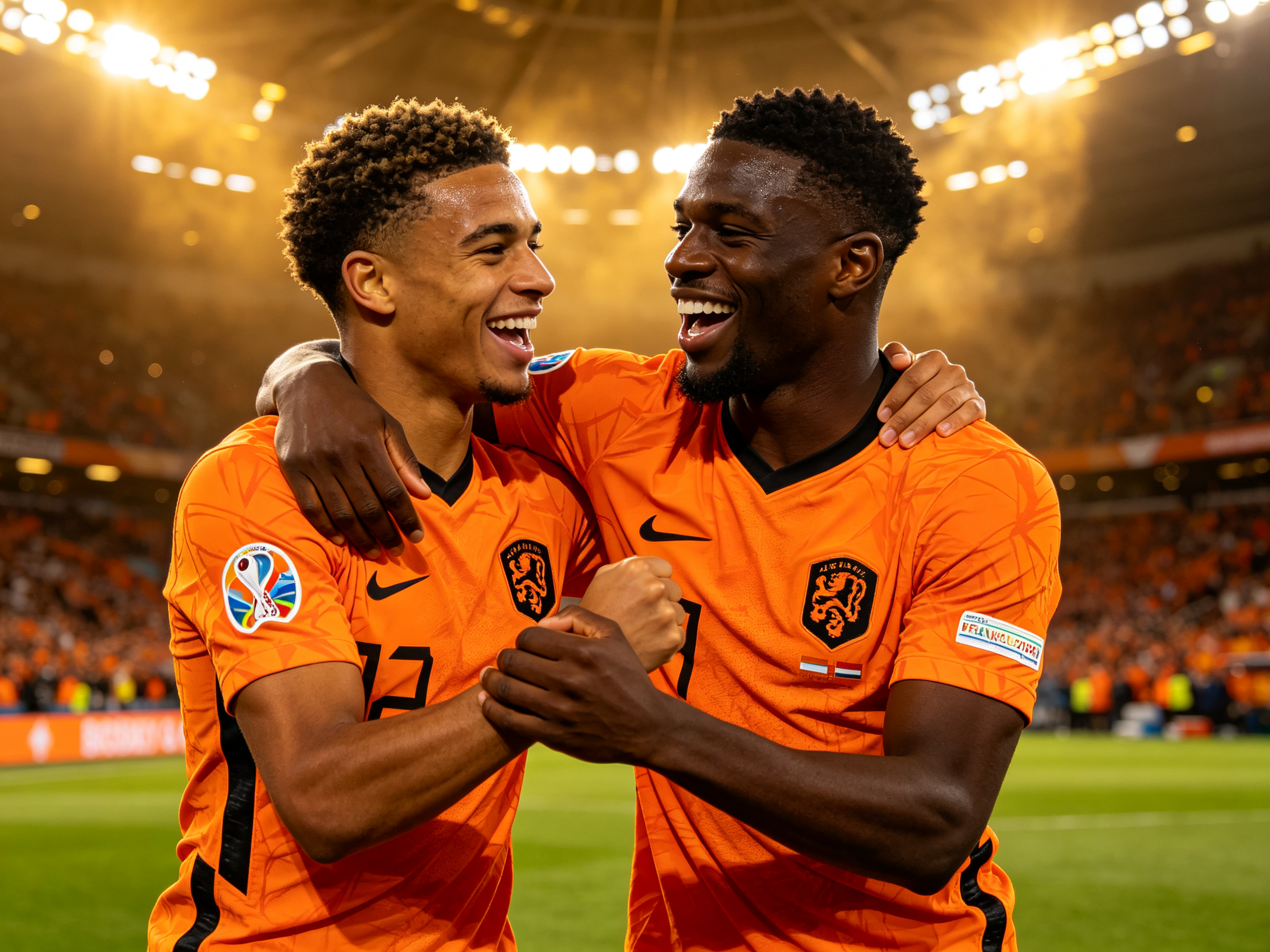
One of the most exciting developments for the Dutch national team has been the growing chemistry between Brian Brobbey and Cody Gakpo. Against Sweden, the duo constantly disrupted defensive organization through intelligent movement and complementary skill sets.
Brobbey's physical presence occupied central defenders, while Gakpo exploited the spaces created between defensive lines. Their interaction generated continuous attacking momentum and forced Sweden into uncomfortable defensive decisions.
This attacking mechanism repeatedly exposed Sweden's defensive weaknesses and became one of the defining tactical themes of the match.
How The Dutch Attack Destroyed Sweden's Defensive Shape
The Netherlands succeeded because their attack was not limited to individual brilliance. Wide rotations, aggressive overlapping full-backs, and quick vertical passing forced Sweden to defend large areas of the pitch simultaneously.
Whenever Sweden compressed centrally, Dutch wingers attacked the flanks. When defenders shifted wide, central spaces became available for runners arriving from midfield. The result was a constant cycle of defensive instability.
This dynamic attacking structure is rapidly transforming the Netherlands into one of the tournament's most dangerous offensive teams.
Japan's Team Football Masterclass Against Tunisia
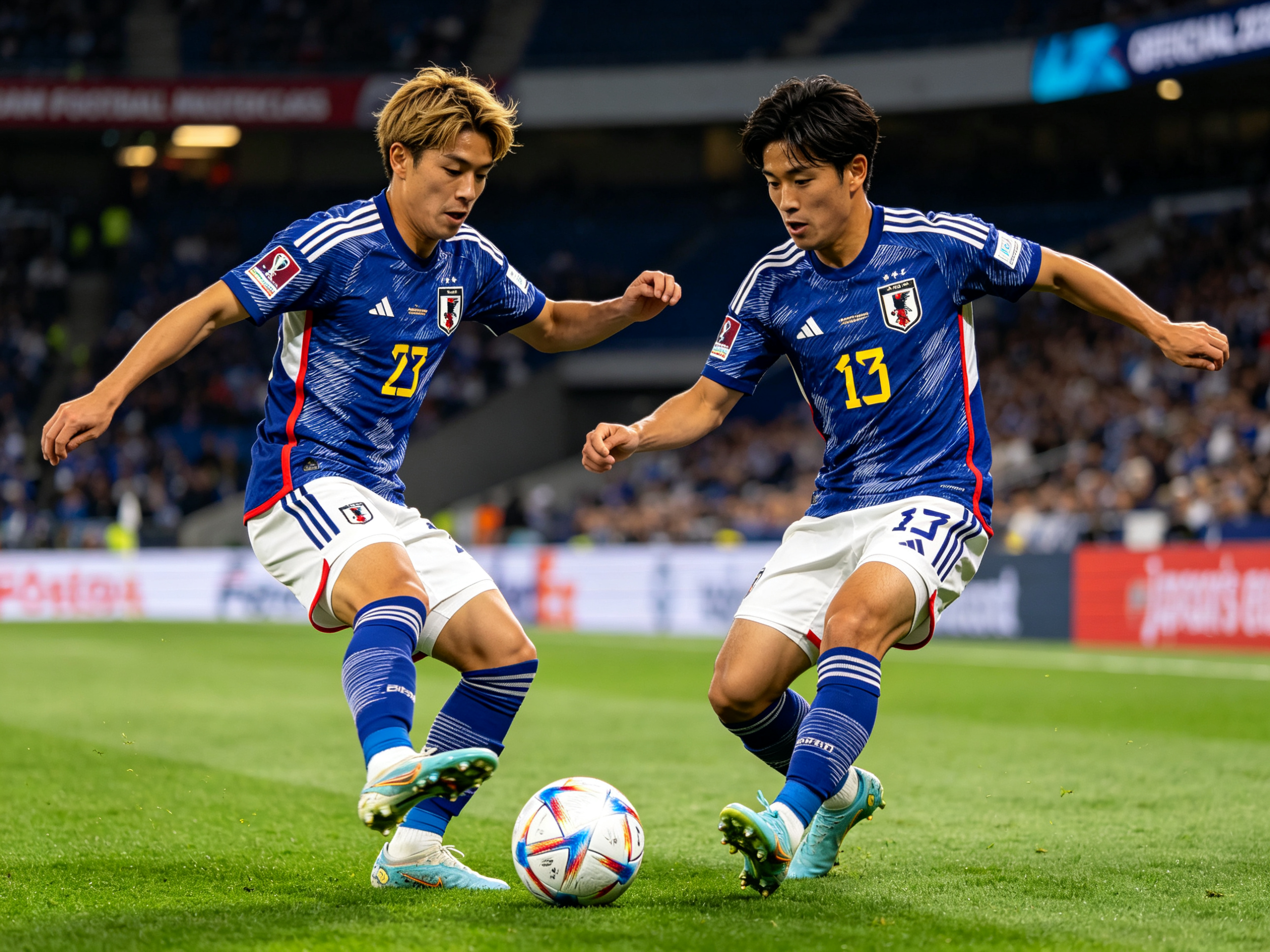
While the Dutch relied heavily on a star attacking partnership, Japan demonstrated the power of collective football. Their victory over Tunisia was built on positional discipline, technical precision, and relentless ball circulation.
Rather than depending on one individual creator, Japan generated opportunities from multiple areas of the pitch. Midfielders, full-backs, wingers, and forwards all contributed to chance creation, making defensive preparation extremely difficult.
This type of multi-layered attacking football reflects the evolution of modern Japanese football and highlights why they continue to outperform expectations on the international stage.
Why Tunisia Struggled To Cope With Japan's Passing Network
Tunisia attempted to remain compact and organized, but Japan's rapid passing combinations continuously stretched defensive distances. Every time Tunisia shifted toward the ball, Japan immediately switched play to exploit the opposite side.
The constant movement of players without possession proved particularly damaging. By creating superior numbers between the lines, Japan repeatedly bypassed defensive pressure and entered dangerous attacking zones.
Germany Won, But Why Are There Concerns?
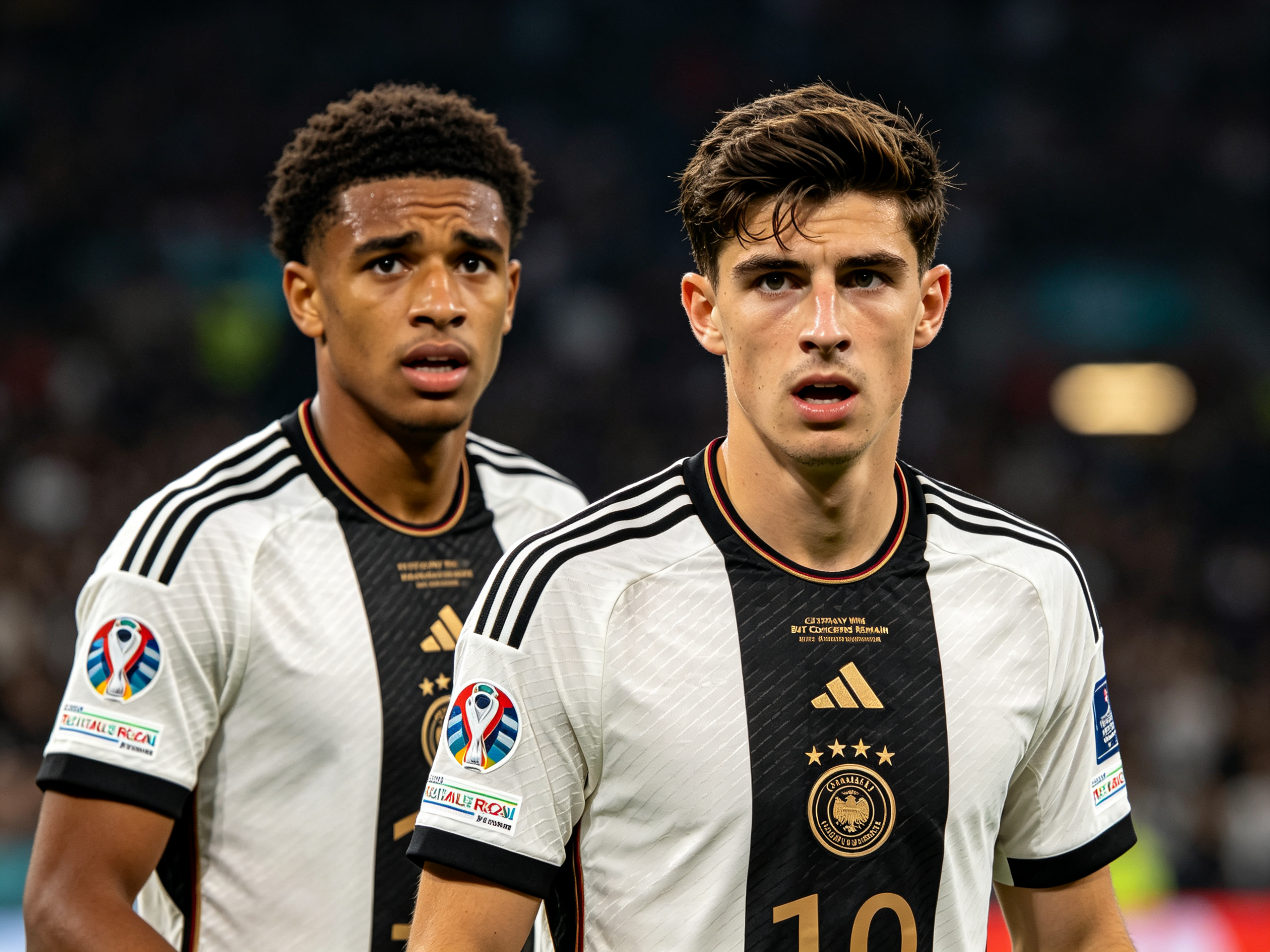
Although Germany secured victory against Côte d'Ivoire, the match exposed several tactical vulnerabilities. The African side repeatedly threatened through direct transitions and powerful counterattacks, forcing Germany's defensive line into difficult recovery situations.
Germany dominated possession for long stretches, but possession alone did not guarantee control. Whenever attacks broke down, Côte d'Ivoire immediately attacked the spaces behind Germany's advancing full-backs.
Against stronger knockout-stage opponents, these moments could become significantly more costly.
The Tactical Weaknesses Germany Must Address
- Defensive transitions remain vulnerable after possession losses.
- Full-backs often leave large spaces behind them.
- Counterattacking opponents can attack isolated defenders.
- Central midfield protection occasionally becomes disconnected.
- Set-piece defending requires greater consistency.
- Recovery speed against direct attacks needs improvement.
- Defensive compactness decreases during sustained attacking phases.
Key Players Who Defined The Matchday
Cody Gakpo
Creative movement and clinical finishing helped dismantle Sweden.
Brian Brobbey
Physical dominance and intelligent link-up play transformed the Dutch attack.
Takefusa Kubo
Provided creativity and positional intelligence throughout Japan's victory.
Kaoru Mitoma
Created constant danger through dribbling and wide penetration.
Jamal Musiala
Germany's most dynamic attacking presence under pressure.
Serhou Guirassy
The Côte d'Ivoire attack constantly challenged Germany's defensive line.
What These Results Mean For The Tournament
The Netherlands and Japan are rapidly emerging as two of the tournament's most entertaining teams. Both have developed attacking identities capable of overwhelming organized defenses through different methods.
Germany remains among the favorites, but their latest performance serves as a warning. Tournament football often punishes defensive mistakes far more severely in the knockout rounds than during the group stage.
As the competition progresses, the balance between attacking ambition and defensive stability will likely determine which teams remain genuine title contenders.
Related National Team Collections
FAQ
Why was the Brobbey-Gakpo partnership so effective?
Their complementary movement created constant confusion for defenders and opened valuable attacking channels.
What makes Japan's attacking system unique?
Japan relies on collective movement, positional flexibility, and contributions from multiple attacking sources.
Why are analysts concerned about Germany despite the win?
Germany allowed dangerous transition opportunities that stronger opponents could exploit more efficiently.
Which teams gained the most momentum from this matchday?
The Netherlands and Japan significantly boosted their reputation as dangerous attacking contenders.
Final Verdict
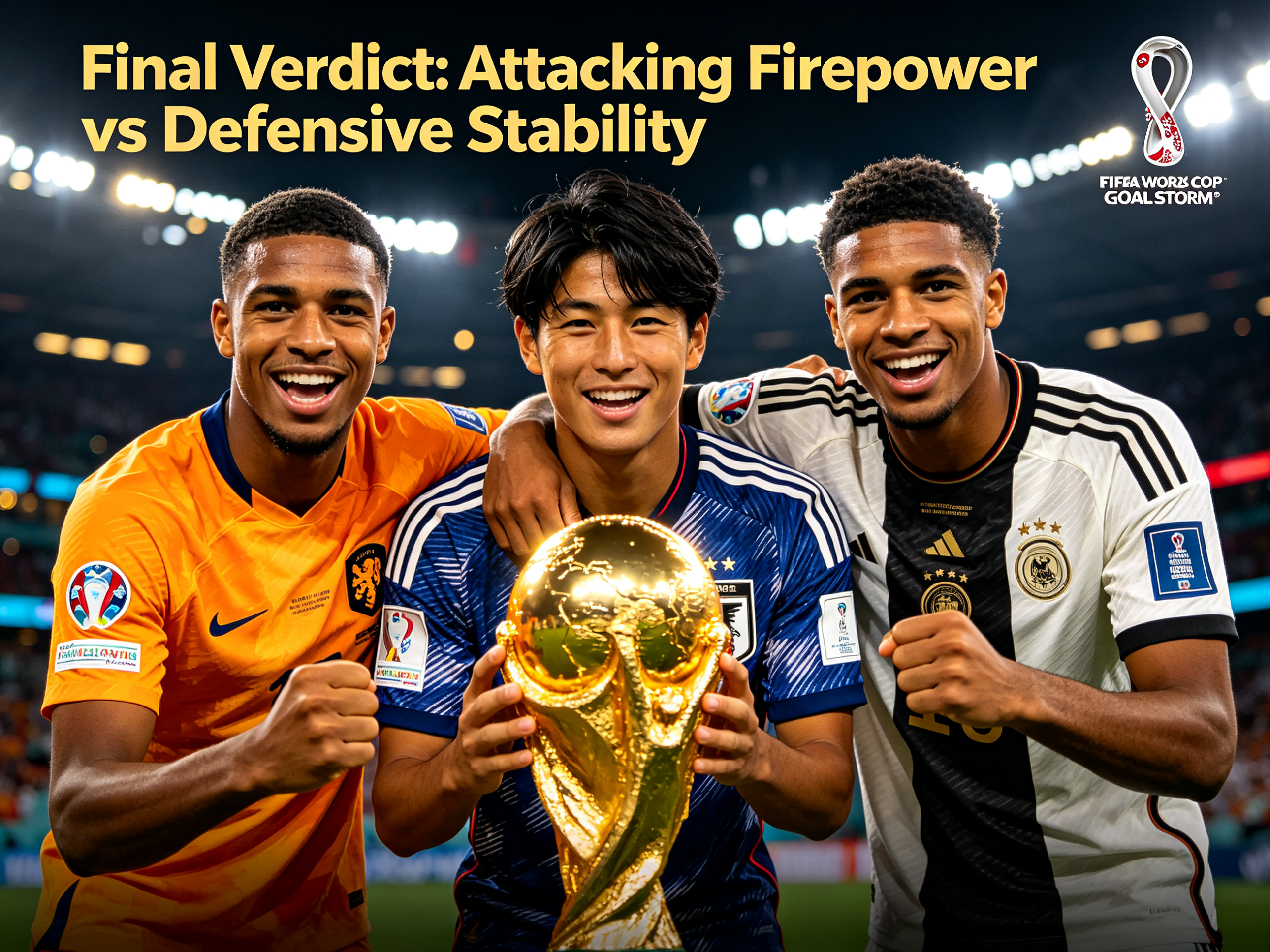
The latest round highlighted football's endless tactical diversity. The Netherlands showcased the devastating impact of elite attacking partnerships, Japan delivered a lesson in collective football, and Germany received an important reminder that victories do not always eliminate concerns.
As the tournament enters a decisive phase, attacking firepower may dominate headlines, but defensive organization and transition control could ultimately determine who lifts the trophy.